
Water around a water heater is one of the most common calls we get, and the first question is always the same: where is it actually coming from? Water travels along pipes and collects wherever the floor dips, so the puddle is often nowhere near the source. It might be the temperature and pressure relief valve or its discharge line, the drain valve near the bottom of the tank, the inlet and outlet fittings on top, condensation on a cold tank, or a nearby pipe that has nothing to do with the heater. It might also be the tank itself, and that answer changes everything. In Texarkana, TX, we trace the source before we touch a wrench.
Finding the source takes a few careful steps. We clear and dry the area, then watch where new water appears. The relief valve and its discharge pipe get checked first, followed by the drain valve and the inlet and outlet fittings, where dielectric unions and flex connectors tend to corrode. If the heater is gas-fired, we look inside the burner compartment, since water there can be condensation or the first sign of a failed tank. When the relief valve is involved, we measure water pressure and check whether expansion has anywhere to go. Every recommendation is based on what we find.
Most leaks are handled the same day we find them. We replace worn relief valves, swap plastic drain valves for durable brass ones, rebuild corroded connections, add or recharge an expansion tank, and install a pressure-reducing valve when street pressure is the real culprit. If the tank itself is leaking, there is no safe patch, and we will tell you that plainly along with your replacement options. We also help protect your home going forward: a drain pan piped to a proper drain, a water sensor or automatic shutoff valve, and a clear label on the shutoff. For water heater leak repair in Texarkana, call (903) 202-2374.
What homeowners call us about most is Water Heater Repair in Texarkana and Water Heater Replacement in Texarkana. That's the place to start for most homes.
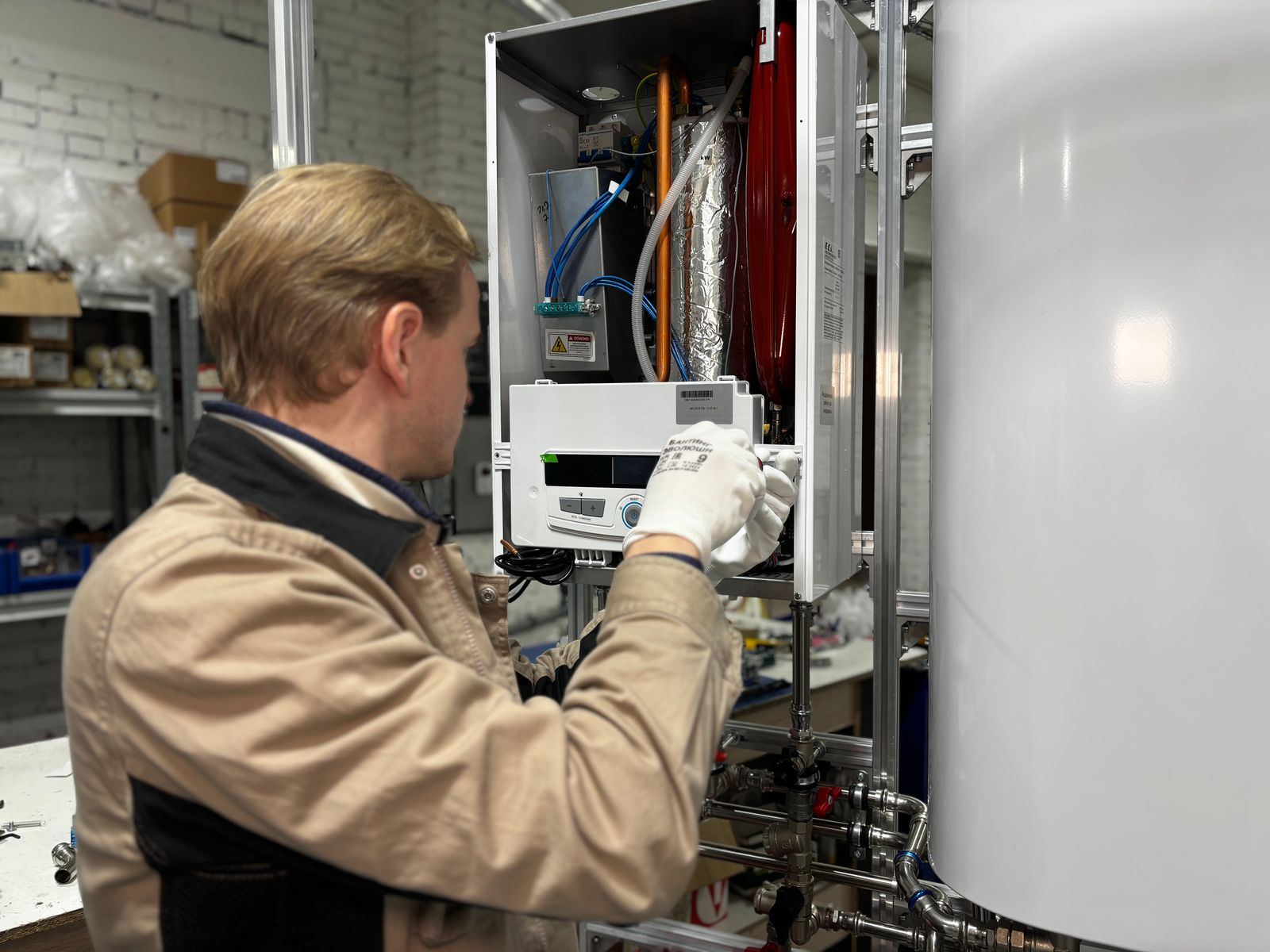
Symptoms That Mean It's Time to Call
Catching a symptom early is often the difference between a quick part swap and a tank that gives out on the garage floor. Here are the most common indicators that it's time to call a professional:
- Moisture or rust flakes under the burner access cover
- Water dripping from the relief valve or out of the end of its discharge pipe
- Rust, green corrosion, or white crust on the fittings at the top of the tank
- Water stains, soft flooring, or musty smells near the heater closet
- Higher water use with no obvious explanation
- A puddle or damp spot on the floor around the base of the tank
- Rusty or discolored hot water paired with dampness at the base
- Steady drips from the drain valve near the base
Early Action Saves Money
Left alone, even minor symptoms like rumbling or temperatures that swing from hot to warm tend to mean the heater is working its way toward a breakdown. Don't wait. Get Texarkana Water Heater on the phone at (903) 202-2374 and we'll get a technician scheduled.
Need Help With Water Heater Leak Repair?
Call Texarkana Water Heater for fast, reliable service.
Tap to Call (903) 202-2374Water Heater Leak Repair FAQ
Why This Job Calls for a Pro
Leaks look simple and often are not. Water can start at a top fitting, run down under the jacket, and show up at the base, and condensation on cold tanks add confusion. The risks go beyond a wrong part. Plugging a dripping relief valve removes the protection against overheating and overpressure, forcing a corroded connection can crack it wide open, and electric heaters bring high-voltage wiring into a wet area. And if the tank itself is failing, no DIY fix will hold for long.
The value of a professional is a confirmed answer. You get the true source, the right parts, and an explanation of why it failed. When a relief valve drips, we test pressure and expansion. When a fitting is rotten, we replace the connection rather than tightening it harder. When condensation is the only issue, we explain it and save you a repair. And when the tank itself is leaking, we recommend replacement honestly, with a drain pan, drain line, and leak alarm to limit damage if it ever happens again.
Step by Step: How a Visit Works
We work through a clear, repeatable process so you always know what's happening and what it will cost. Here's the short version:
Contain the Water
First the water gets stopped. We confirm the supply valve is closed, the heater is off, and the area is dry enough to work safely.
Trace the Source
Every likely source gets checked: T&P valve, drain valve, inlet and outlet fittings, connectors, condensation, and the tank itself. No part is swapped until the source is confirmed.
Test the Pressure
If a relief valve is involved, we measure static pressure and check for an expansion tank, since high pressure will ruin a new valve fast.
Repair, Refill & Verify
We replace the failed part, refill and purge the tank, restart the heater, and confirm every joint stays dry. A leaking tank gets an honest replacement recommendation instead.
Want a Professional Opinion?
Call Texarkana Water Heater to talk through your situation with an experienced technician.
Get Help: (903) 202-2374How to Prevent Water Heater Problems
A little routine care goes a long way toward keeping a water heater running well past its expected lifespan. Put these technician-approved steps to work at home:
- Make a habit of checking around the heater for moisture or corrosion every few weeks
- Install a drain pan piped to a safe spot, which matters most for attic, closet, and upstairs heaters
- Annual flushing removes sediment that traps heat against the tank floor
- Ask about expansion control if your home has a check valve or backflow preventer
- High street pressure is hard on water heaters, so a pressure test and regulator can prevent repeat drips
- Have the anode rod checked every few years; once it is used up, the tank starts to corrode
- Put a water leak sensor on the floor next to the tank so a drip gets noticed early
DIY vs. Professional Water Heater Leak Repair
A few tasks, like checking the temperature setting or lifting the relief valve lever to test it, are fine for homeowners, but most water heater work involves gas lines, venting, 240-volt circuits, or a tank full of scalding water, and that belongs with a professional. A side-by-side look:
| Consideration | DIY Attempt | Hiring a Pro |
|---|---|---|
| Diagnosis | Replace parts until the drip stops | Leak traced to its true starting point |
| Relief Valve | Drip silenced, pressure problem left behind | Pressure and expansion tested, valve replaced properly |
| Corroded Connections | Tightened until the fitting cracks | Proper fittings installed and tested |
| False Alarms | Normal sweating treated as a leak | Condensation identified before money is spent |
| Water Damage | No pan, no alarm, no plan | Protection added where it matters most |
| Outcome | Source unconfirmed | Lasting fix, verified under pressure |
Let's Get Your Hot Water Back
Get your hot water back before a small fault turns into a flooded floor. Texarkana Water Heater is ready to respond fast.
Call (903) 202-2374 NowCommunities We Cover
Our service area reaches well past the city limits. Choose your community for local details.