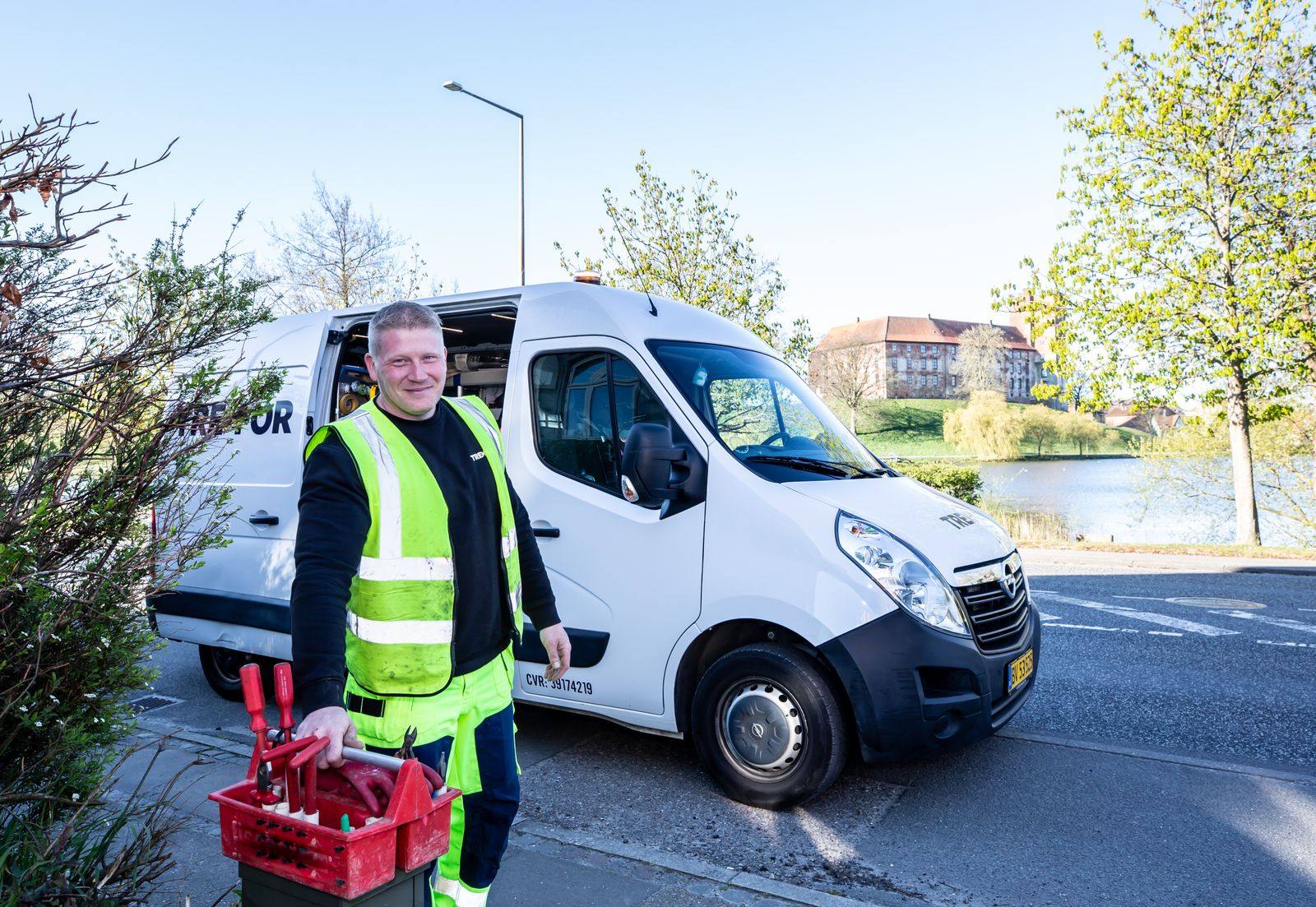
A tankless water heater does not store hot water at all. It waits for a faucet to open, senses the flow, fires a burner or energizes its elements, and heats water as it races through a compact heat exchanger. That on-demand design is efficient and space-saving, but it packs a lot of sensors and controls into one small cabinet, and every one of them has to agree before you get hot water. When one of them objects, the unit shuts down and posts an error code. In Texarkana, TX, the usual culprits are mineral scale coating the heat exchanger, a flow sensor that no longer registers demand, an igniter or flame rod that cannot prove the flame, and venting or gas supply problems that trip the unit's safety limits.
Error codes are a starting point, not a verdict, and we treat them that way on every Texarkana call. The same ignition failure code can come from a worn igniter, a fouled flame rod, a gas line too small to feed the burner at full fire, or an air intake clogged with lint. That is why Texarkana Water Heater tests before replacing anything. Our technicians read the fault history stored in the control board, watch flow sensor output with a faucet open, measure flame signal and igniter resistance, and put a manometer on the gas inlet to see what pressure actually reaches the valve when the burner is running flat out. We also compare inlet and outlet temperatures against the flow rate, which exposes a scaled heat exchanger long before it fails outright.
The good news is that most tankless problems are very fixable. Scale can be flushed out, sensors and igniters are replaceable parts, and venting faults usually come down to a blocked intake or a loose joint. We carry common parts for the major brands and service both gas and electric units, so the typical repair is done in one trip. We are also honest about the harder cases: a unit fed by a gas line too small for its full BTU rating will keep throwing codes until the line is upsized, and a heat exchanger damaged by scale may not be worth repairing on an older heater. And if your complaint is the cold-water sandwich, that brief burst of cold between two hot draws, we will tell you whether it is normal for your model or something we can reduce. Is your tankless heater showing a code? Call (903) 202-2374 today.
Most of our service calls are for Water Heater Repair in Texarkana. Start there if you're not sure what you need.
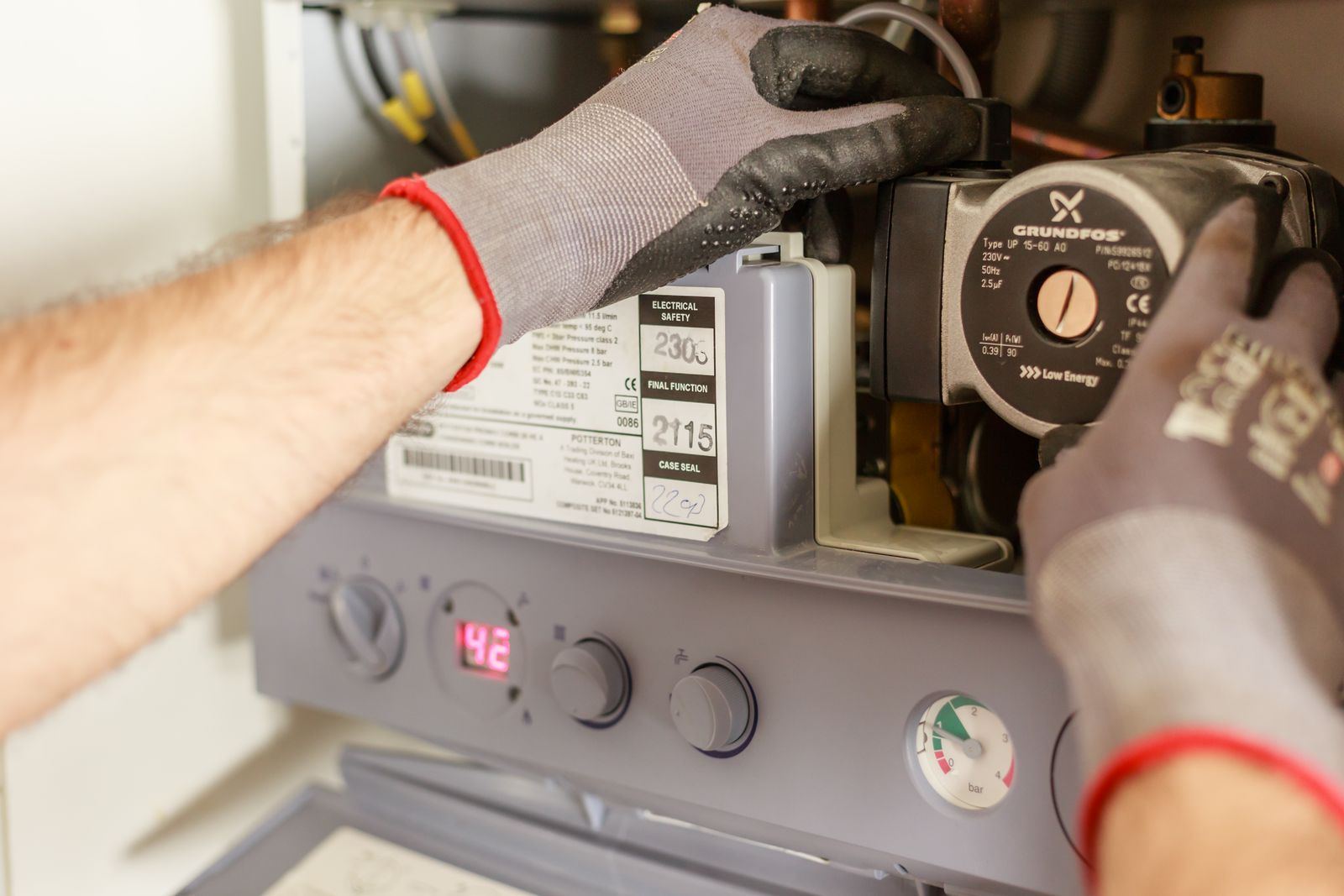
How to Tell Something Is Wrong
Recognizing the warning signs early can save you money and keep a slow drip from turning into a flooded utility room. These are the red flags our technicians see most often before a breakdown:
- Repeated ignition attempts, then a shutdown
- New whistling, roaring, or rumbling from the unit
- A heater that only fires when water runs at full blast
- The display showing an error code instead of a temperature
- Hot water that fluctuates even though nobody touched the faucet
- Moisture, rust, or drips appearing below the heater
- Lukewarm water whenever two fixtures run at the same time
- A cold-water sandwich that has gotten noticeably worse
Early Action Saves Money
A worn-out anode rod, a sediment-choked tank, or a weak thermocouple rarely fixes itself, and the repair usually costs more the longer it waits. At the first hint of a problem, reach out to Texarkana Water Heater at (903) 202-2374 and we'll take a look.
Need Help With Tankless Water Heater Repair?
Our experienced technicians are standing by to help.
Call (903) 202-2374 TodayTankless Water Heater Repair FAQ
Why This Job Calls for a Pro
Start with what is at stake. A gas-fired tankless heater can burn nearly 200,000 BTU per hour at full fire, and its vent is the only thing carrying carbon monoxide out of the house; a joint that pulls loose or an intake that gets blocked changes that in a hurry. Electric tankless models are serious electrical loads, frequently more than 100 amps spread over several 240-volt circuits. Then there is the diagnostic puzzle. Error codes point to a system, not a part, so a flow sensor fault, a scaled heat exchanger, and a bad thermistor can look nearly identical on the display, and guessing gets expensive.
A trained technician with proper test equipment gets to the answer faster. Ours read the fault history, measure flame signal and igniter resistance, test flow sensor output, and check gas pressure under full load with a manometer, which is the only reliable way to catch a gas line that holds pressure at idle but sags when the burner ramps up. Descaling is done with a circulating pump and the proper solution, followed by a thorough rinse. Just as important, you get an honest opinion: if the heat exchanger is damaged on an older unit, you will hear it from us before you spend money on a repair.
From Your Call to Hot Water
Good water heater work comes down to a consistent routine, and ours starts with a real diagnosis instead of a guess. Here's a look at each step our team takes:
Diagnose the Error Code
Every visit starts at the control board. We read the current code and past faults, then confirm the diagnosis with a meter and a manometer on the flow sensor, ignition parts, gas supply, and vent.
Honest Answers & Upfront Price
Nothing is hidden. We walk you through the cause and the fix and give you the price up front. If the real problem is an undersized gas line or a worn-out heat exchanger, we tell you before anything is spent.
Repair & Descaling
Because common parts ride along, the repair rarely waits. Scale is flushed out through the service valves, and worn sensors or ignition parts are swapped during the same visit.
Verified Temperature Rise
We never assume a fix worked. We test the unit at low flow and at full demand, confirm a steady outlet temperature, and verify that the code is cleared and does not return.
How to Prevent Water Heater Problems
A few simple habits, like an annual flush and a quick look at the relief valve, can add years to a tank. Start with these practical measures our team relies on:
- Keep the vent termination and air intake clear of leaves, nests, snow, and lint
- Have the gas line evaluated whenever you add a range, dryer, or fireplace
- Schedule a descaling flush every year; hard water may call for one every six months
- Clean the inlet water filter screen a few times a year so the flow sensor gets full flow
- Leave the power on in cold weather, since freeze protection only runs when the unit has electricity
- Protect the heat exchanger with a softener or scale inhibitor when your water is hard
- Write down any error code before resetting the unit, and call if it keeps coming back
Doing It Yourself vs. Hiring a Technician
The line between a safe DIY check and a risky repair is usually the moment you need to open a gas fitting, a vent connection, or an electrical cover. A side-by-side look:
| Consideration | DIY Attempt | Hiring a Pro |
|---|---|---|
| Diagnosis | Swap parts until the code clears | Fault history and live readings pinpoint it |
| Scale Removal | Vinegar poured in without proper valves | Proper solution, pump, and flush time |
| Combustion Safety | No way to test pressure at full fire | Combustion, venting, and gas supply checked |
| Electrical Work | Risk of shorting the control board | Wiring and connectors tested safely |
| Replacement Parts | Parts bought before the fault is known | Right part, installed once |
| Result | Code returns within weeks | Unit tested at low and high flow |
Book a Visit Today
Every day a leak or a failing part goes unchecked puts more stress on the tank. Get Texarkana Water Heater on the job today.
Call (903) 202-2374 TodayAreas We Serve for Tankless Water Heater Repair
Our service area reaches well past the city limits. Choose your community for local details.