
How do you know a water heater problem is urgent? Usually it is one of four things: active flooding, a discharging relief valve, water hot enough to burn, or a gas odor. Flooding is the one that catches people off guard. A failed tank is still connected to the cold supply, so it keeps refilling and leaking long after its own contents are gone, and the damage spreads into finished floors and lower rooms quickly. A T&P valve that keeps releasing water or steam is the heater telling you a safety limit has been exceeded. Scalding water points to a runaway thermostat or gas valve. A gas smell is its own category and comes with its own first steps, covered below. Across Texarkana, TX, we handle every one of these as a priority call.
Right away, rule out gas. A rotten-egg odor near the heater means everyone leaves the house, nobody operates switches or appliances on the way out, and the call goes to your gas utility or 911 from a safe distance. If there is no gas smell, focus on stopping the water: close the cold supply valve at the top of the heater, or the main shutoff if the heater valve is seized. Next, cut the energy to the unit, turning a gas control to OFF or switching off the dedicated breaker on an electric model, as long as you are standing on dry ground. Leave the relief valve alone if it is discharging. Plugging it removes the last safeguard against a tank that is overheating. Once things are isolated, call (903) 202-2374 for help.
A calm voice on the phone helps more than people expect. When you call (903) 202-2374, we help you confirm the water and energy are off, suggest what to move out of the water's path, and dispatch a technician as fast as the day allows, with honest timing. On arrival, the priorities are safety, diagnosis, and a clear explanation. Worn relief valves, weeping drain valves, rotted dielectric fittings, dead thermocouples, and failed elements are the usual culprits, and we stock them so the fix rarely waits on an order. A tank that has corroded through is the exception, since the only real fix is a new heater, and we lay out those options honestly. Keep (903) 202-2374 handy so you have it before you need it in Texarkana.
Most of our service calls are for Water Heater Repair in Texarkana. That's the place to start for most homes.
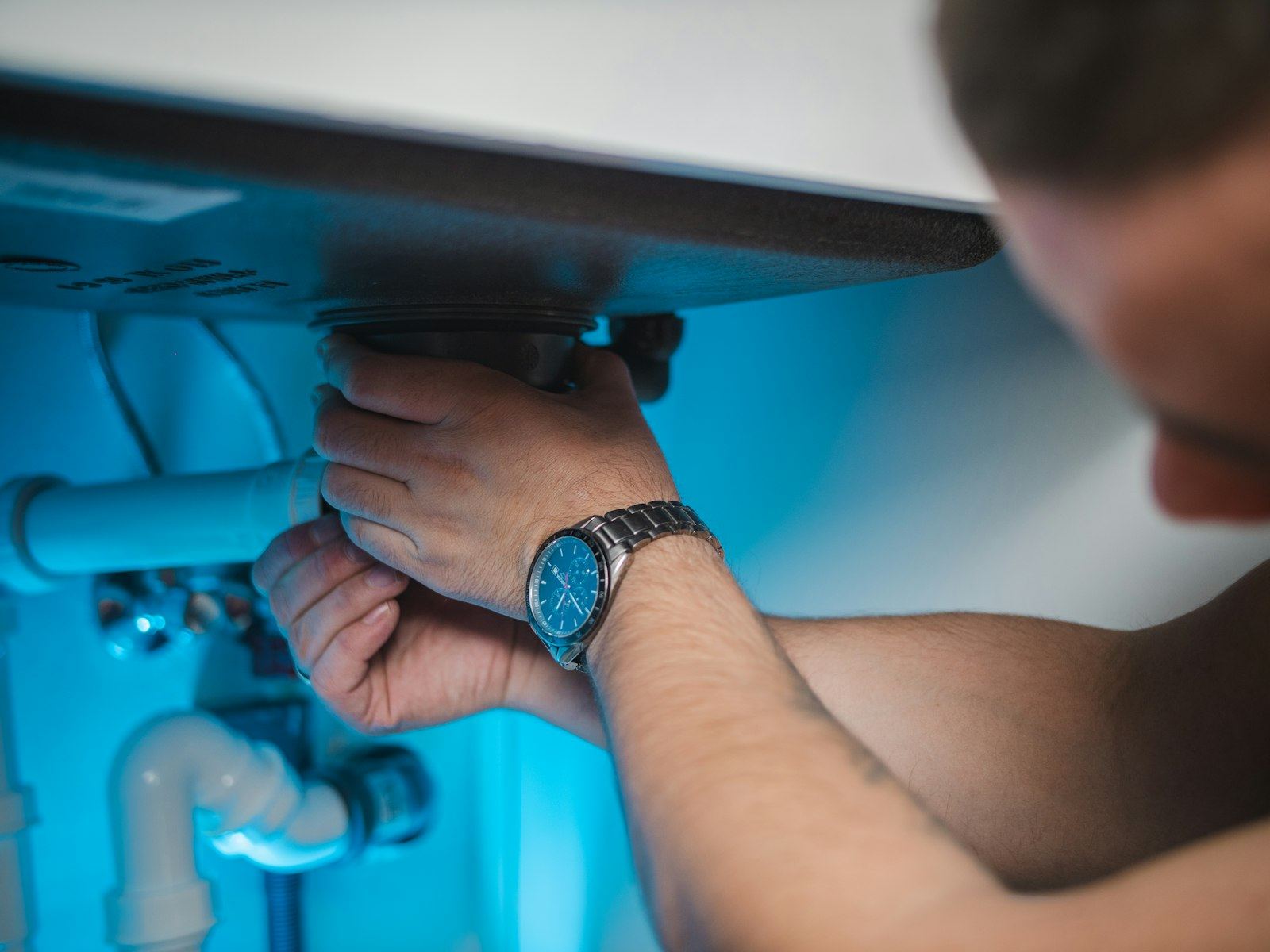
How to Tell Something Is Wrong
Most tanks announce trouble weeks or months ahead with rumbling noises, rusty water, or hot showers that keep getting shorter. If any of the following sound familiar, it's worth having the unit checked:
- Violent rumbling or banging from the heater as it runs
- Hot water far hotter than normal, a sign of a runaway thermostat or gas control
- A heater breaker that will not stay on after being reset
- A complete loss of hot water throughout the house
- Water pooling around the base of the heater or spreading across the floor
- Black soot or heat discoloration around the burner door or draft hood
- A rotten-egg smell near a gas water heater (leave first, and call the gas utility)
- A T&P valve that releases water repeatedly instead of staying closed
Don't Wait for a Total Failure
Tanks rarely fail all at once. They corrode from the inside for months, and the warning signs show up long before the floor gets wet. Call Texarkana Water Heater at (903) 202-2374 at the first sign of trouble.
Water Heater Trouble? Call Us.
Our experienced technicians are standing by to help.
Call (903) 202-2374 NowWhat Homeowners Ask Us Most
Why Hire a Professional for Emergency Water Heater Repair?
A water heater emergency stacks several hazards in one small space. There is water on the floor near a 240-volt circuit on electric models, or near a gas valve, burner, and flue on gas units. There is a tank holding water at high temperature and household pressure. And there is a safety valve that, if it is discharging, is doing so for a reason. Homeowners sometimes try to stop the relief valve by capping it, tighten a leaking fitting until it cracks, or relight a pilot beside a gas smell, and each of those can turn a bad afternoon into a real disaster. The safest moves for a homeowner are the ones described above: leave for gas, then shut off water and energy, then call for help.
Professional help is not just about having wrenches. It is about knowing why the failure happened so it does not happen again next month. When a relief valve discharges, we measure static water pressure and look for a missing or failed expansion tank. When a tank floods the floor, we locate the true source, whether it is the valve, a fitting, a connector, or the tank wall. When a gas heater dies, we check the thermocouple or flame sensor, gas pressure, and venting before restarting it. The diagnosis determines everything that follows. Components can be replaced the same visit; a failed tank cannot be patched, and you hear that straight and explain the replacement path.
Step by Step: How a Visit Works
Our workflow is simple and thorough, so nothing gets missed between the fuel supply and the relief line. Here's the short version:
Safety Call & Shutoff Guidance
The first step happens before we arrive. We rule out a gas smell with you, walk you through the water shutoff and the gas control or breaker, and help limit the spread of water.
Dispatch & Site Safety
A technician heads out as quickly as the schedule allows, with an honest arrival window. On site we verify water, fuel, power, and venting are safe before any diagnosis begins.
Find the Failure, Fix It
The source gets pinpointed before any part is replaced. Relief valves, drain valves, connectors, thermocouples, and elements travel with us, so most fixes happen the same visit.
Test and Confirm
Restarting correctly matters. We fill the tank before power or gas returns, check fittings and the relief valve for leaks, verify draft on gas units, and leave the thermostat near 120F.
Not Sure What You Need?
Our technicians can assess your water heater and recommend the option that actually makes sense.
Call (903) 202-2374 TodayHow to Prevent Water Heater Problems
A few simple habits, like an annual flush and a quick look at the relief valve, can add years to a tank. Put these technician-approved steps to work at home:
- Store chemicals and flammables far from the burner, and keep the area around the heater uncluttered
- Lift the relief valve lever once a year to confirm it opens and reseats, and call if it keeps dripping
- A simple water sensor on the floor beside the tank can warn you hours earlier
- A 120F setting is safer for skin and easier on the heater than the hottest setting
- Tag the water heater supply valve and the main shutoff so nobody has to search during a leak
- Ask about a drain pan and drain line, especially for heaters in attics, closets, or above finished rooms
- Drain a few gallons or flush the tank annually to keep sediment from cooking the tank floor
Comparing DIY and Professional Work
Relighting a pilot by following the label is one thing. Diagnosing a gas valve, a burned-out element, a dirty flame sensor, or a tankless error code calls for meters and know-how that a pro brings. A side-by-side look:
| Factor | DIY Attempt | Hiring a Pro |
|---|---|---|
| Gas Safety | Tempted to relight or poke around | Leak detector and soap test after the area is cleared |
| Stopping the Leak | Seized valves forced until they break | Supply isolated fast, stuck valves handled safely |
| T&P Discharge | Valve capped or plugged, a dangerous move | Cause found: pressure, expansion, or overheating |
| Electrical Hazard | Live wiring close to a flooded area | Breaker isolated and wiring checked first |
| Diagnosis | Replacing parts until the leak stops | Leak and failure point pinpointed |
| Outcome | Problem likely to return | Lasting repair or honest replacement advice |
Let's Get Your Hot Water Back
Don't let a failing water heater get worse. Call Texarkana Water Heater now for prompt, professional service.
Tap to Call (903) 202-2374Communities We Cover
We serve Texarkana and its neighboring towns for emergency water heater repair, from quick same-day repairs to planned installs.